
Ethiopian Holiday Outfits: What to Wear for Each Celebration
Genna, Timket, Fasika, Ashenda, Enkutatash and Meskel: what each day is, what people traditionally wear and how to choose your outfit, from the two sisters behind Shema Wears.
Each of Ethiopia’s big holidays asks something different of what you wear. Genna is a long night in church in a white netela. Timket means walking behind the procession and standing at the water at dawn. Ashenda is days of drumming, braids and dancing. If you are having a piece made, you also need the dates early, because the Ethiopian calendar does not line up neatly with the Gregorian one.
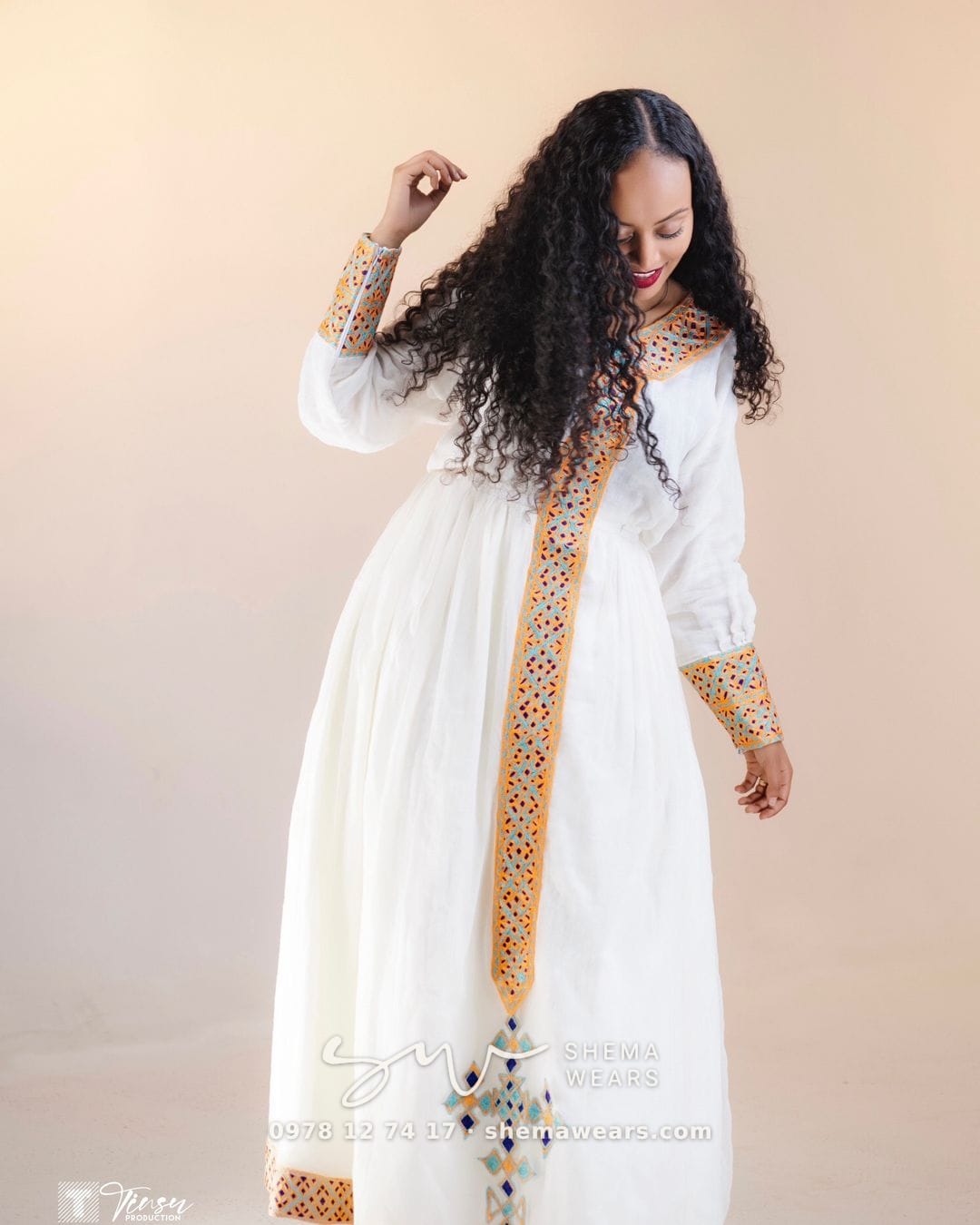
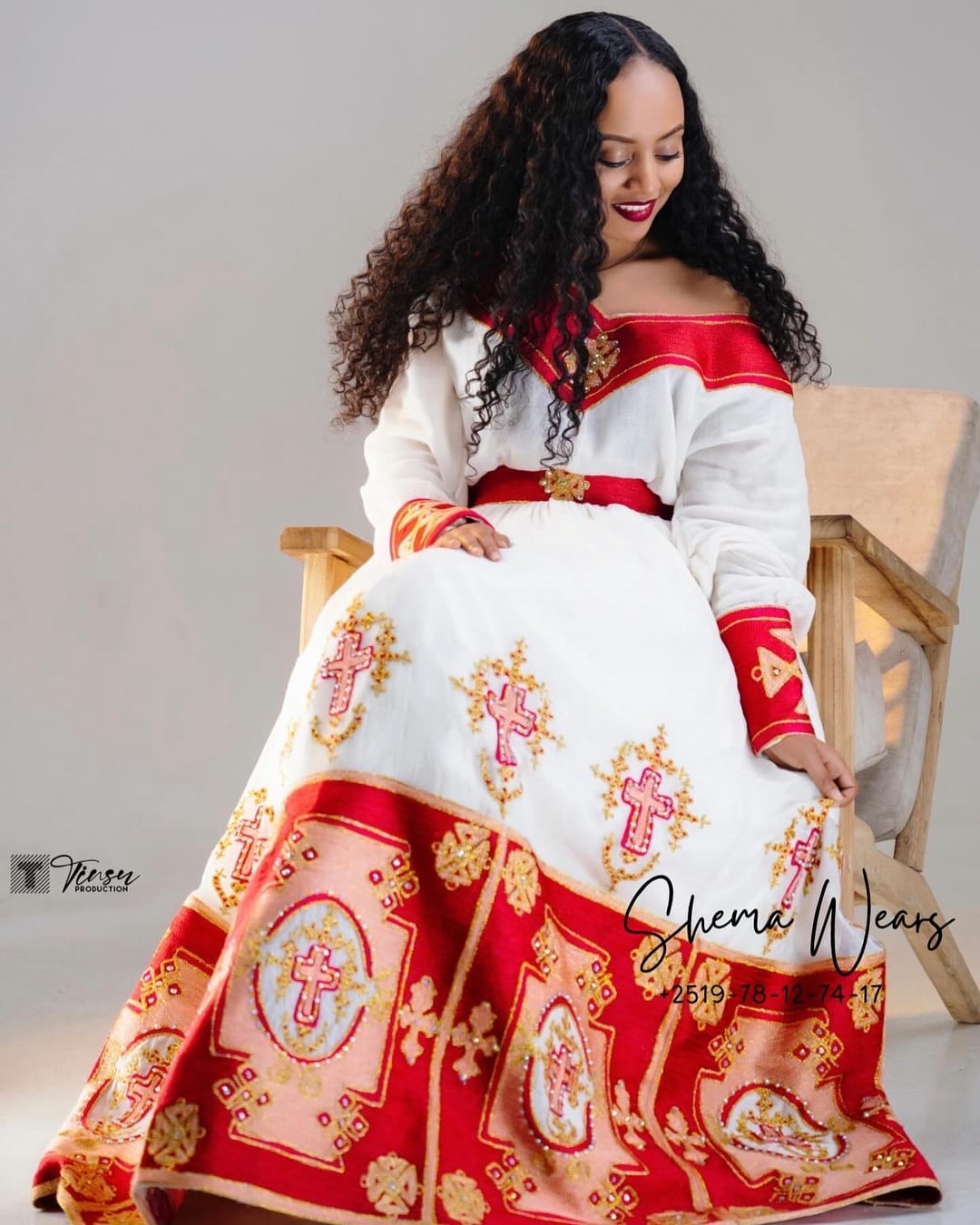
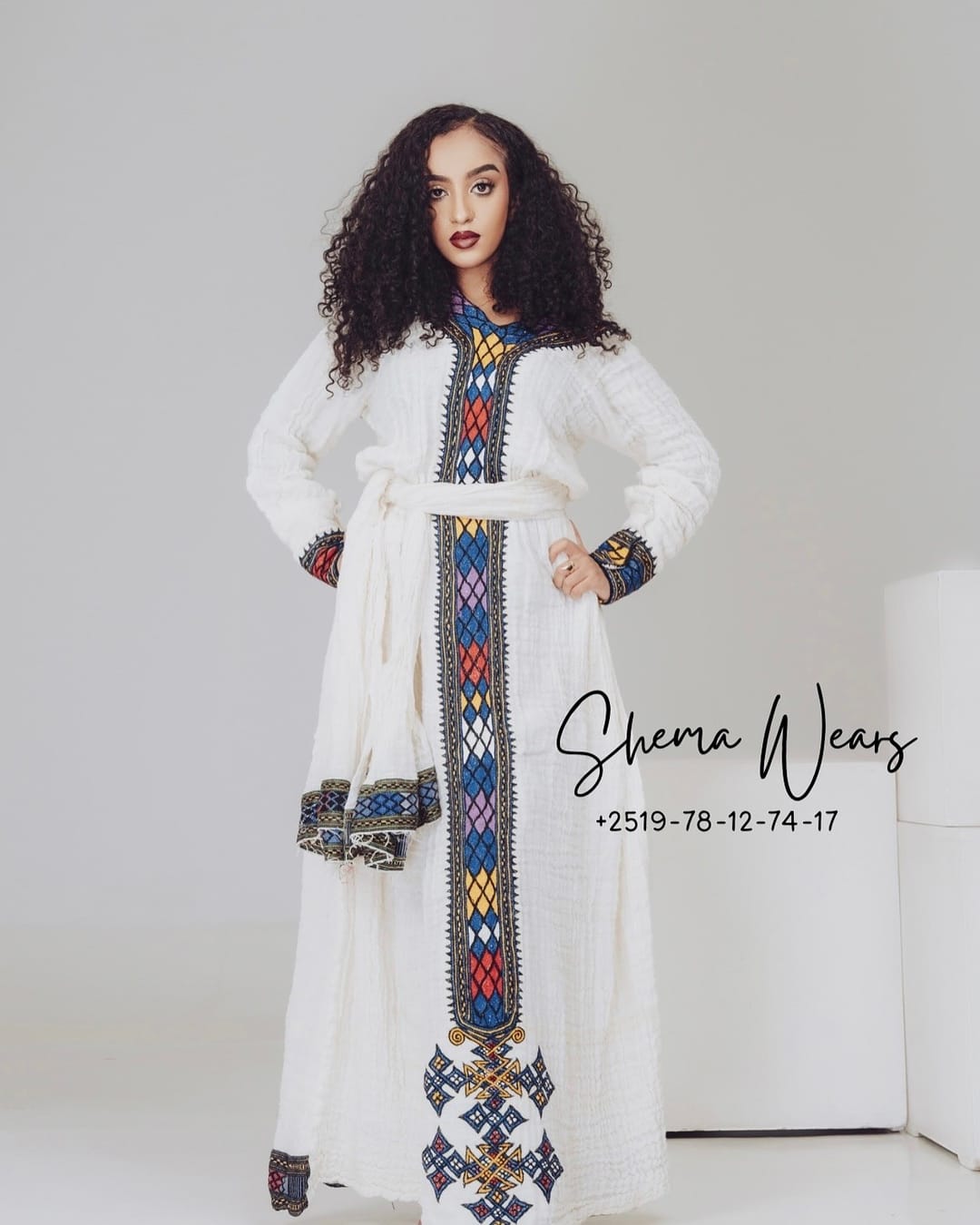
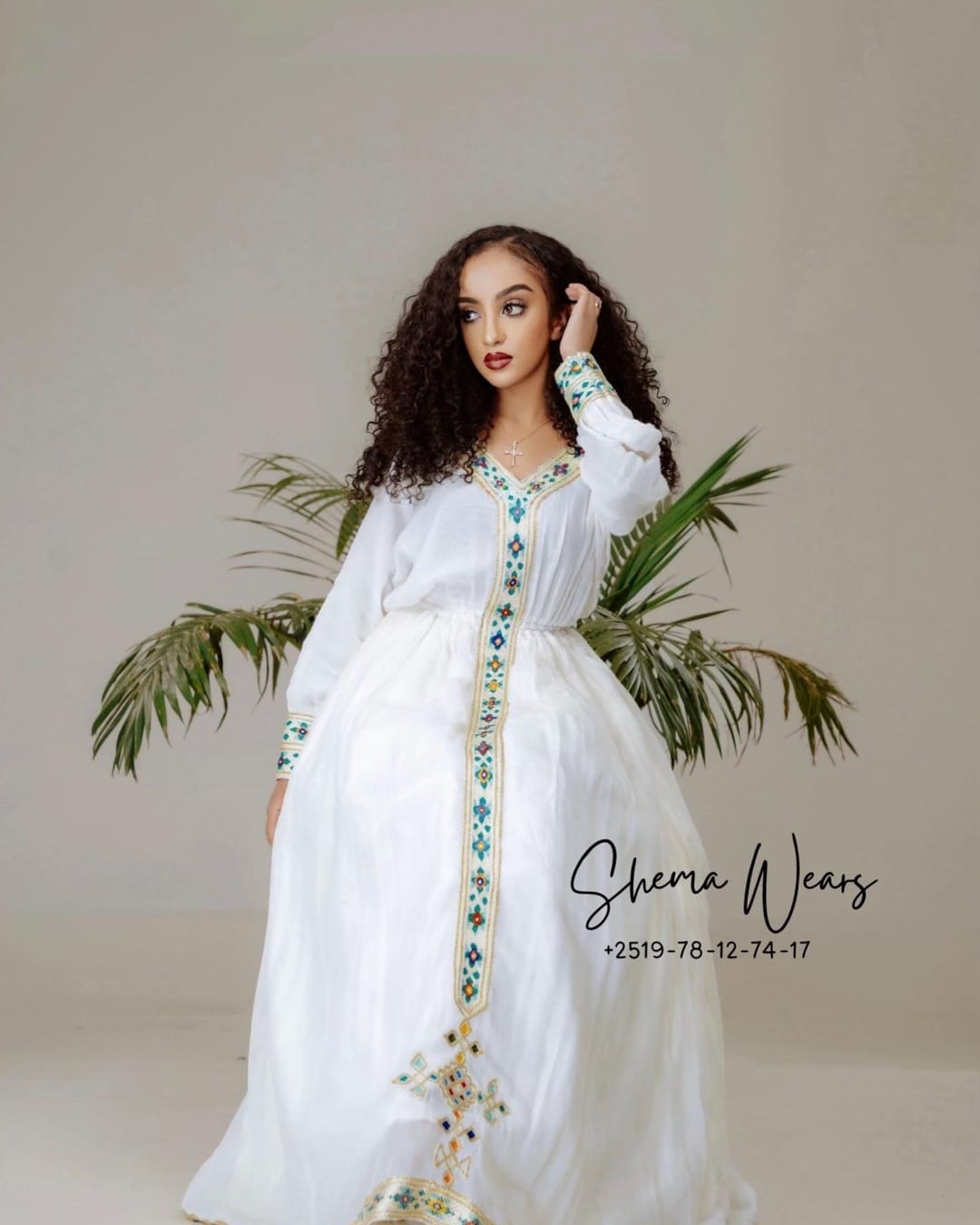
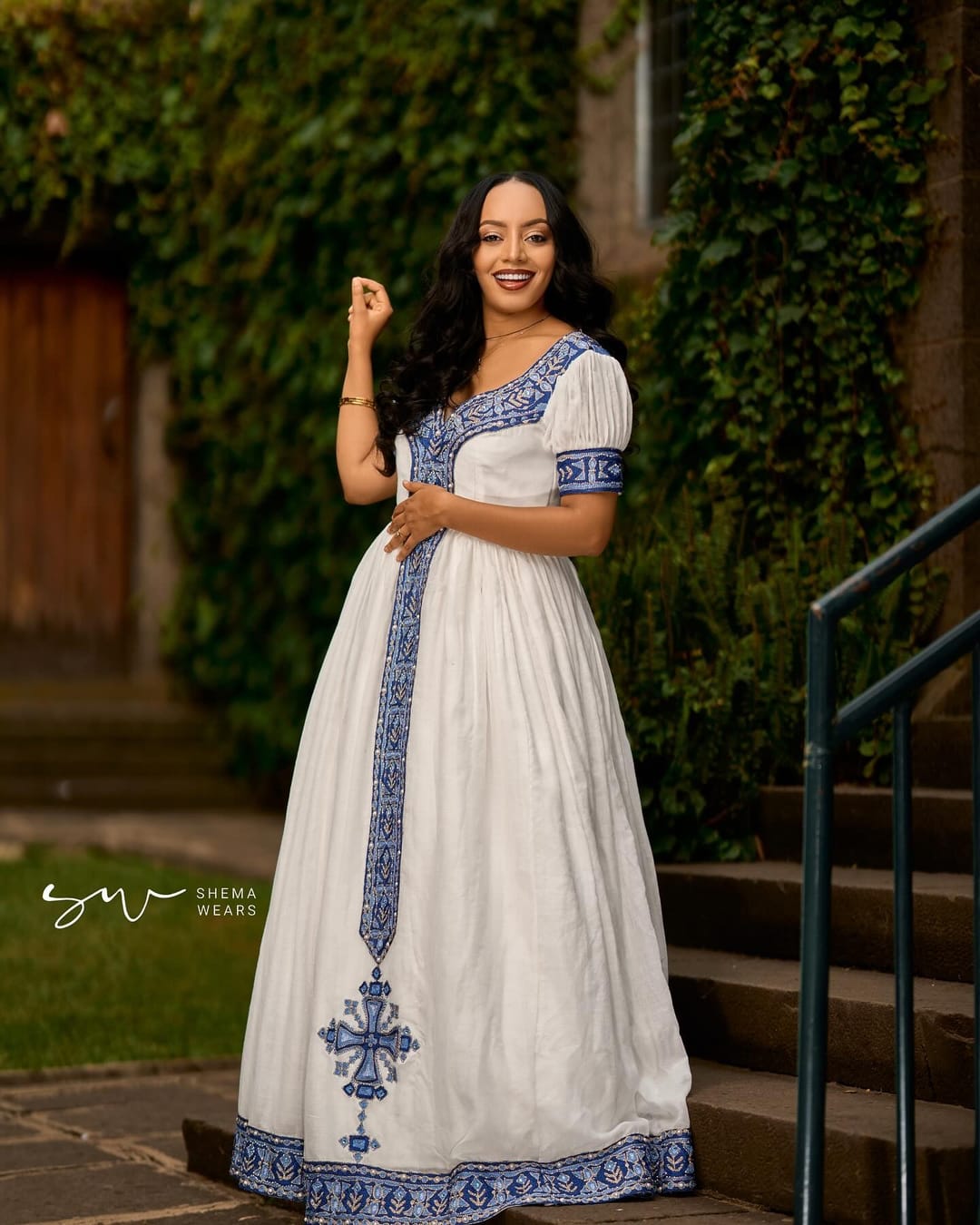
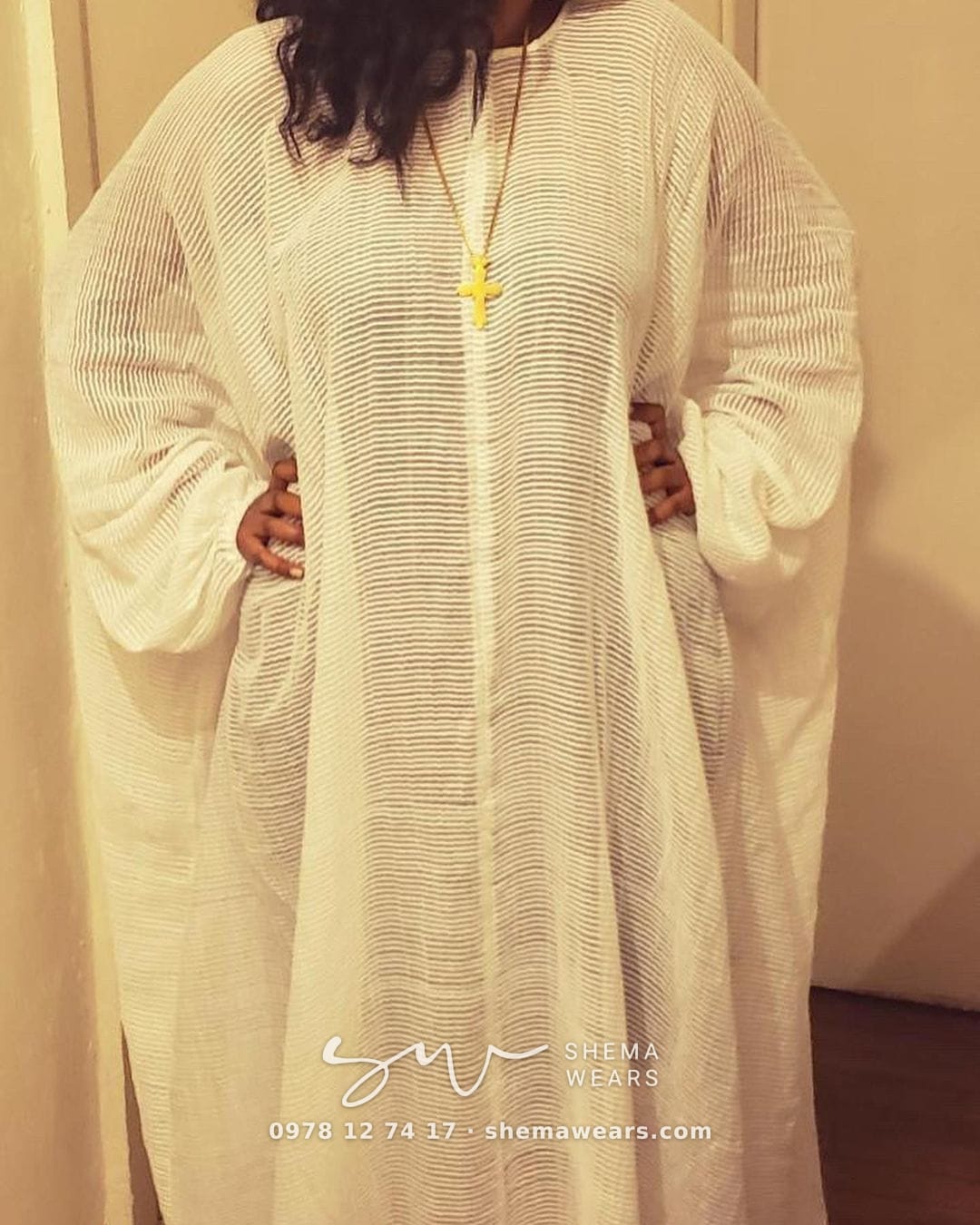
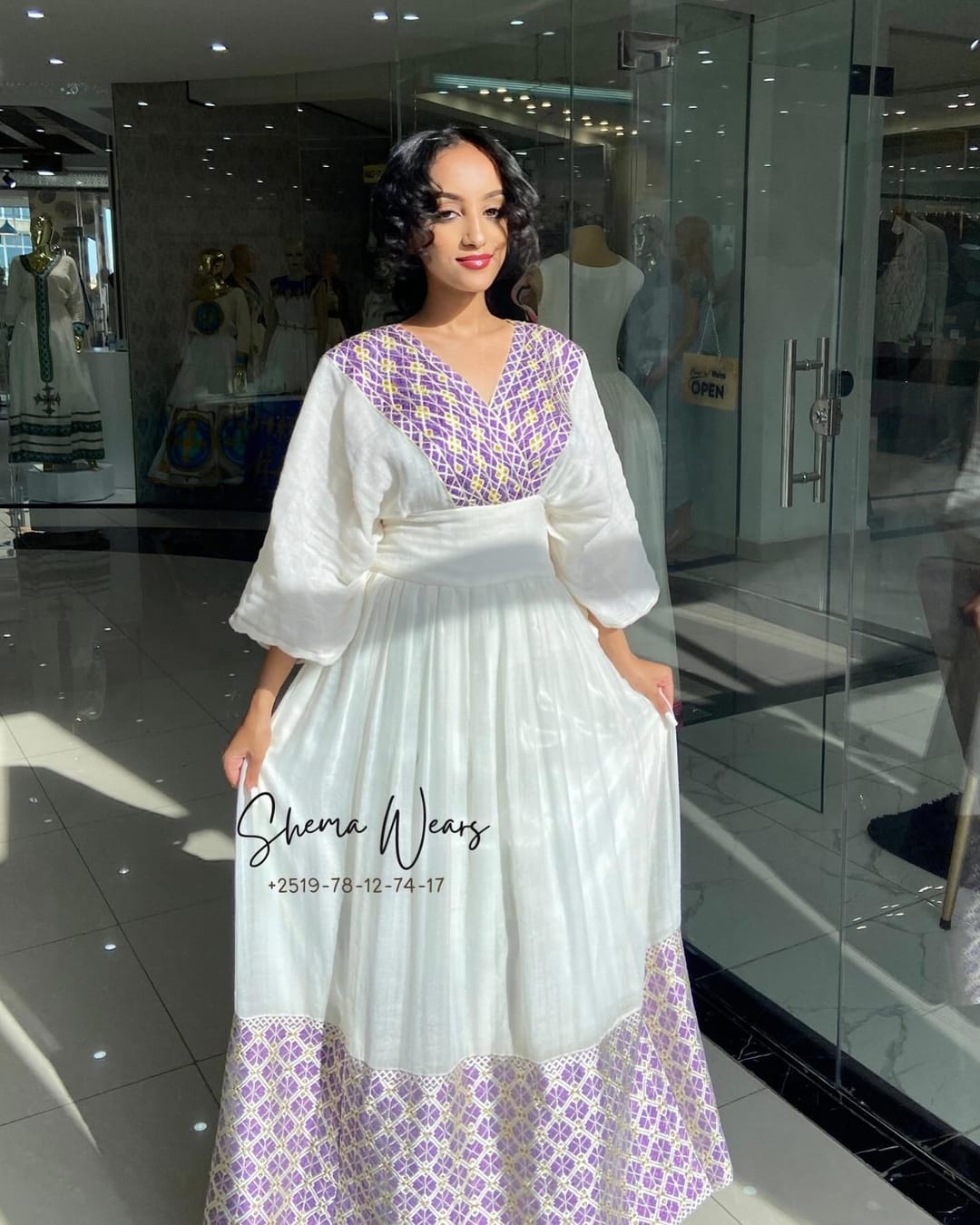
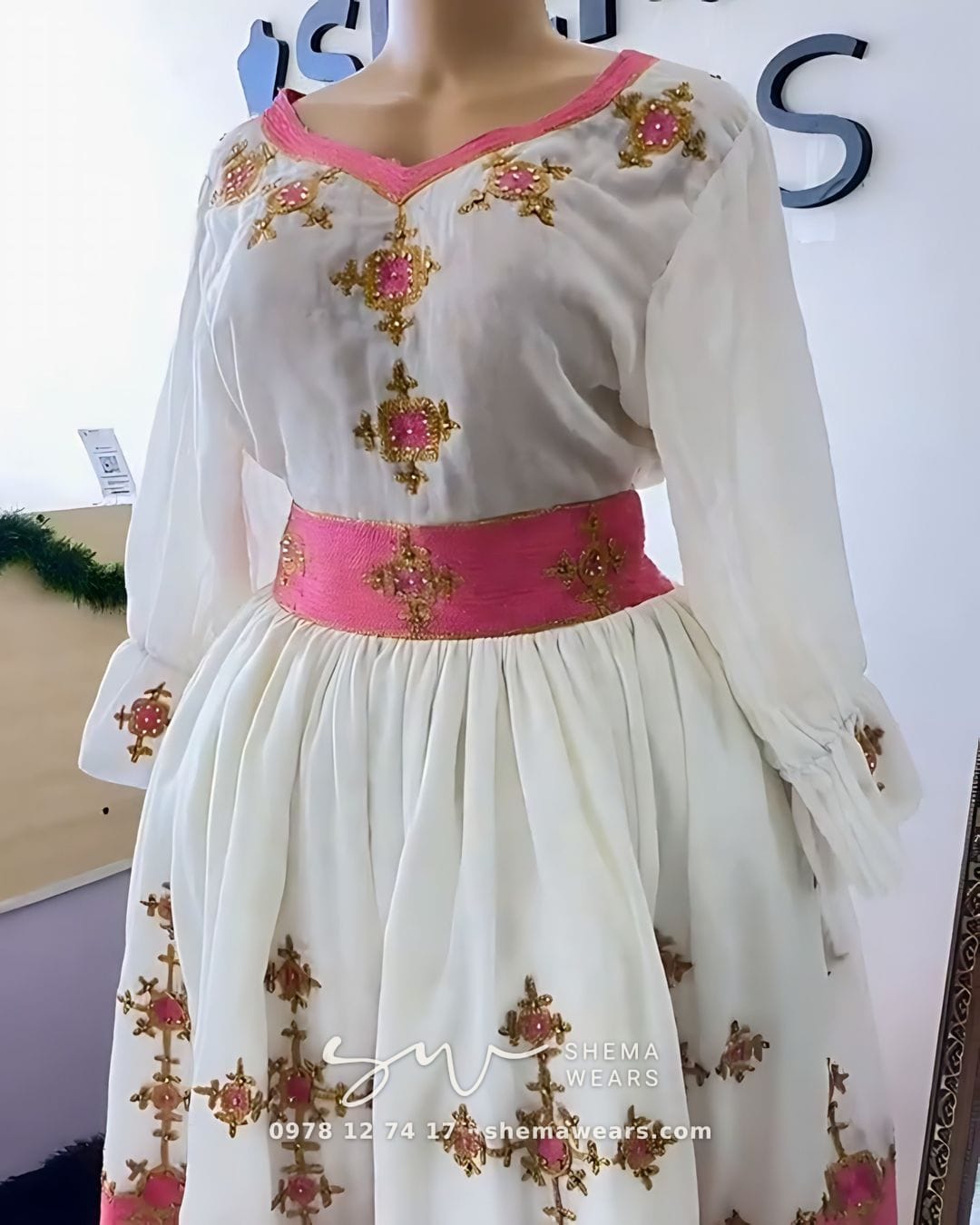
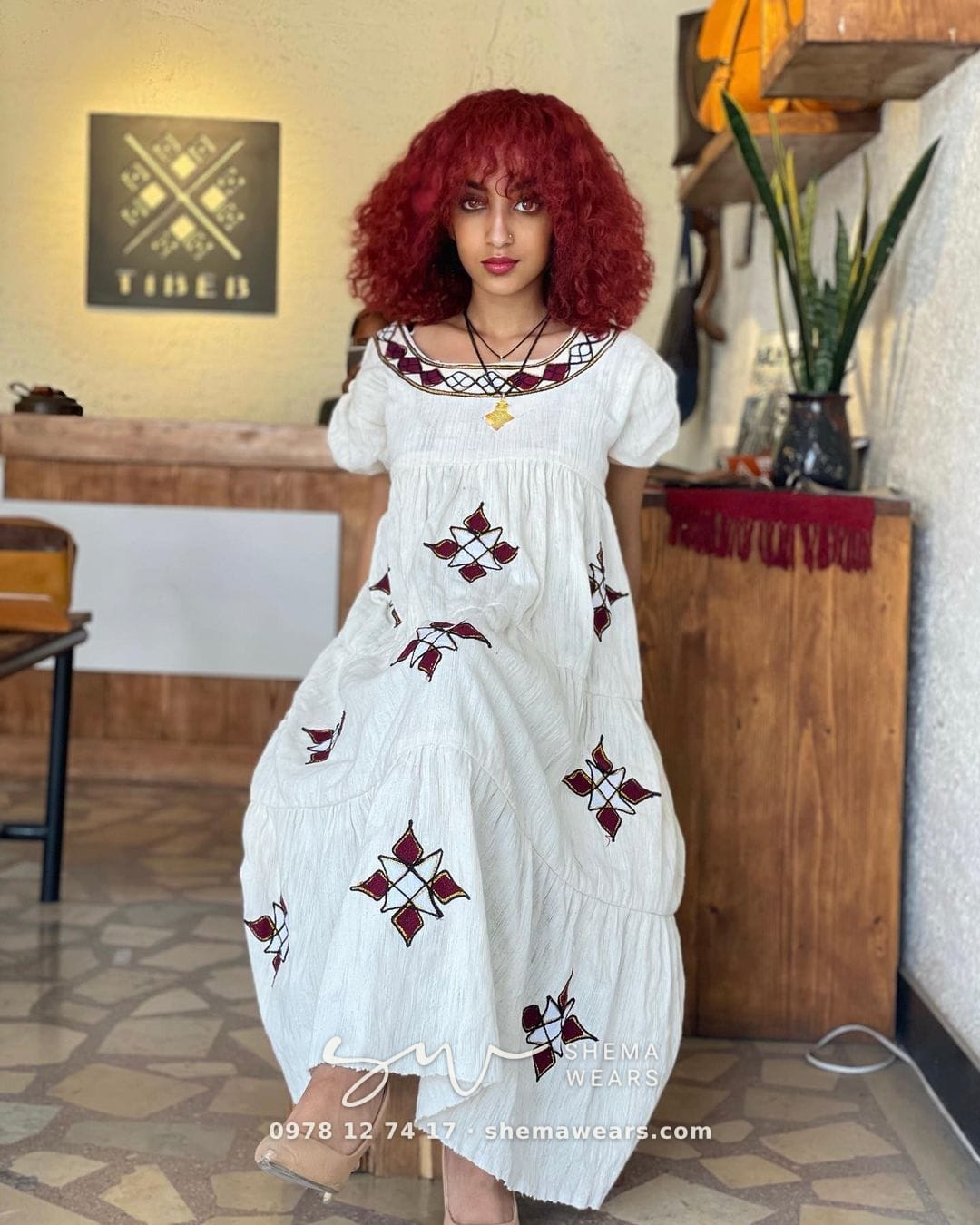
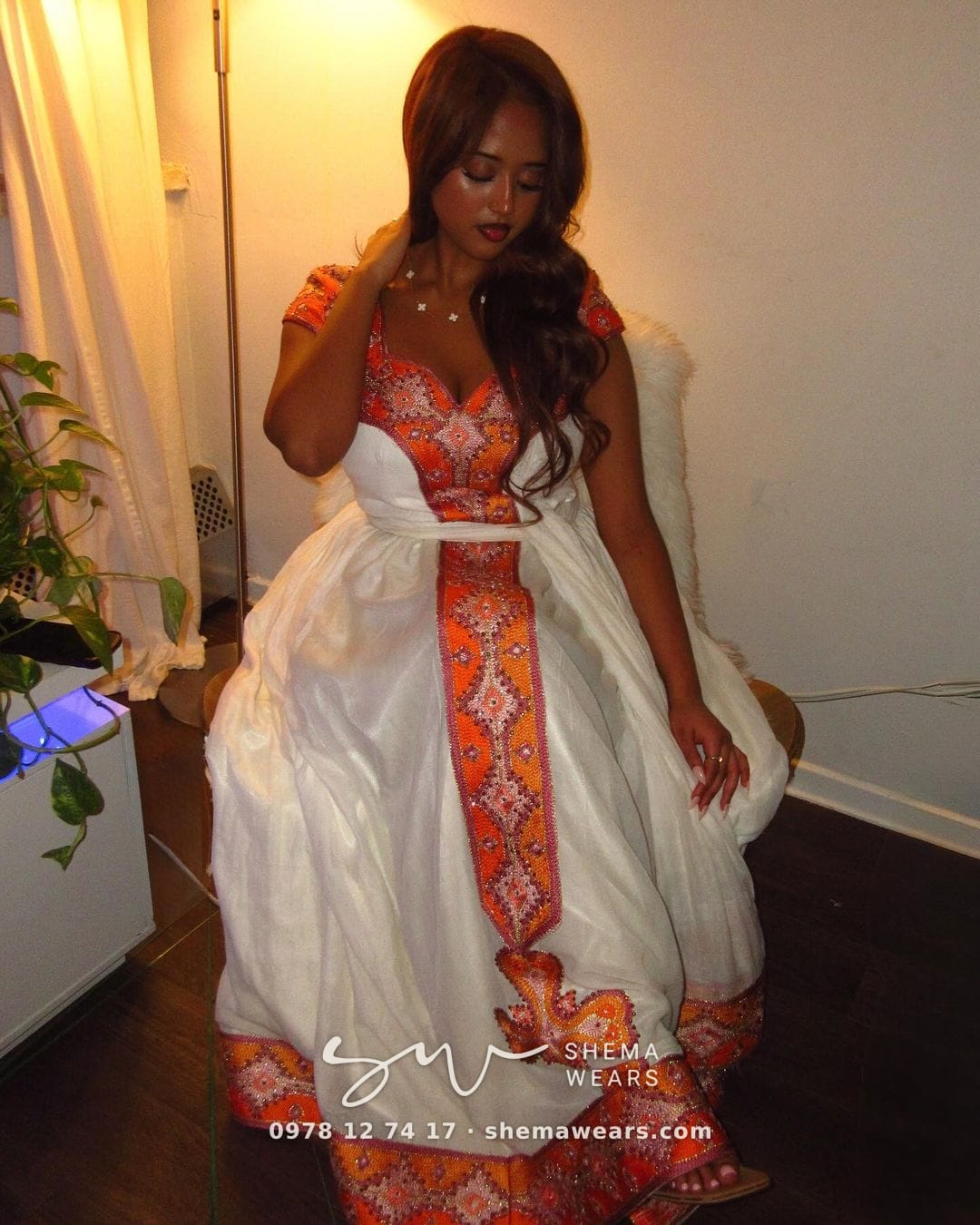
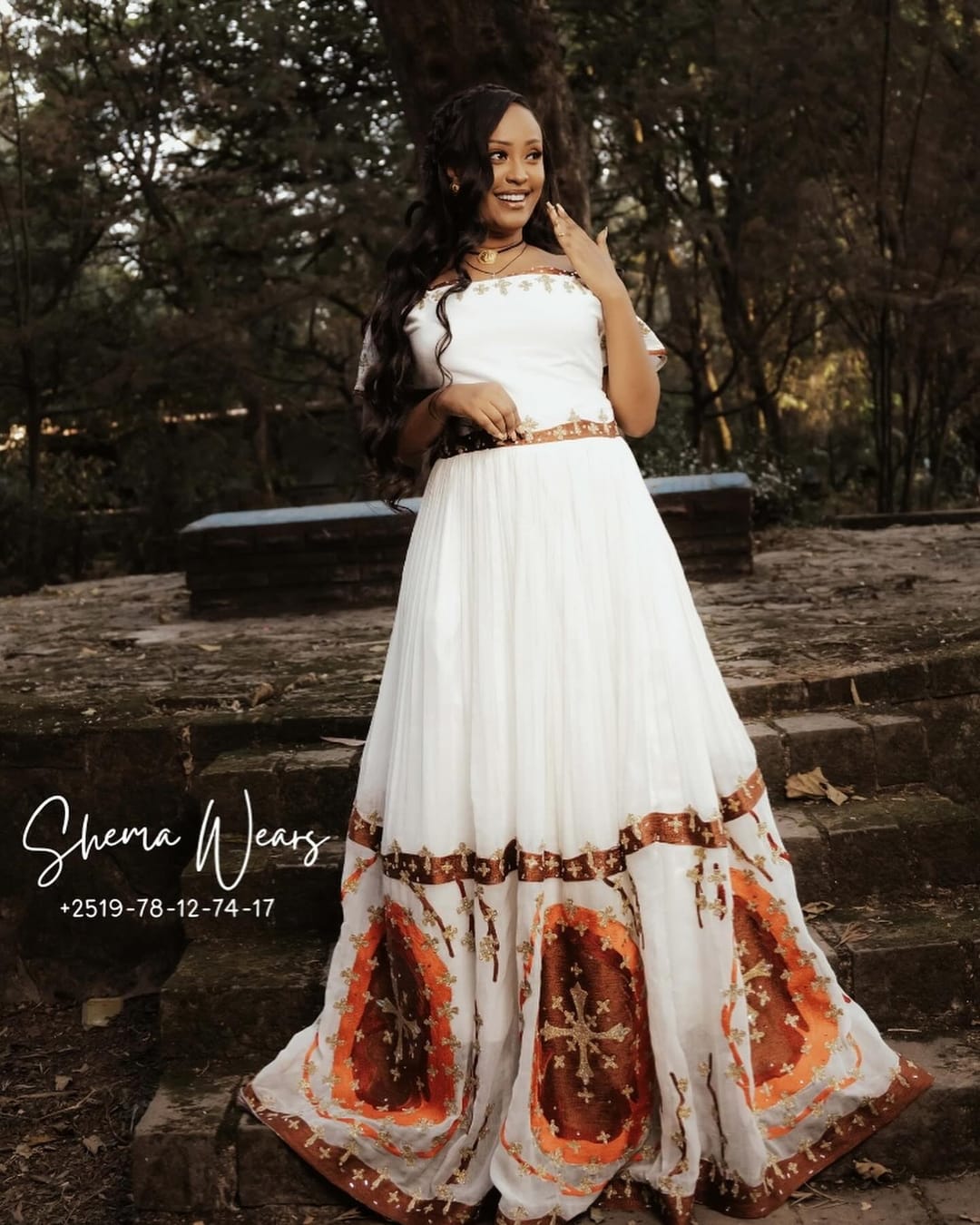
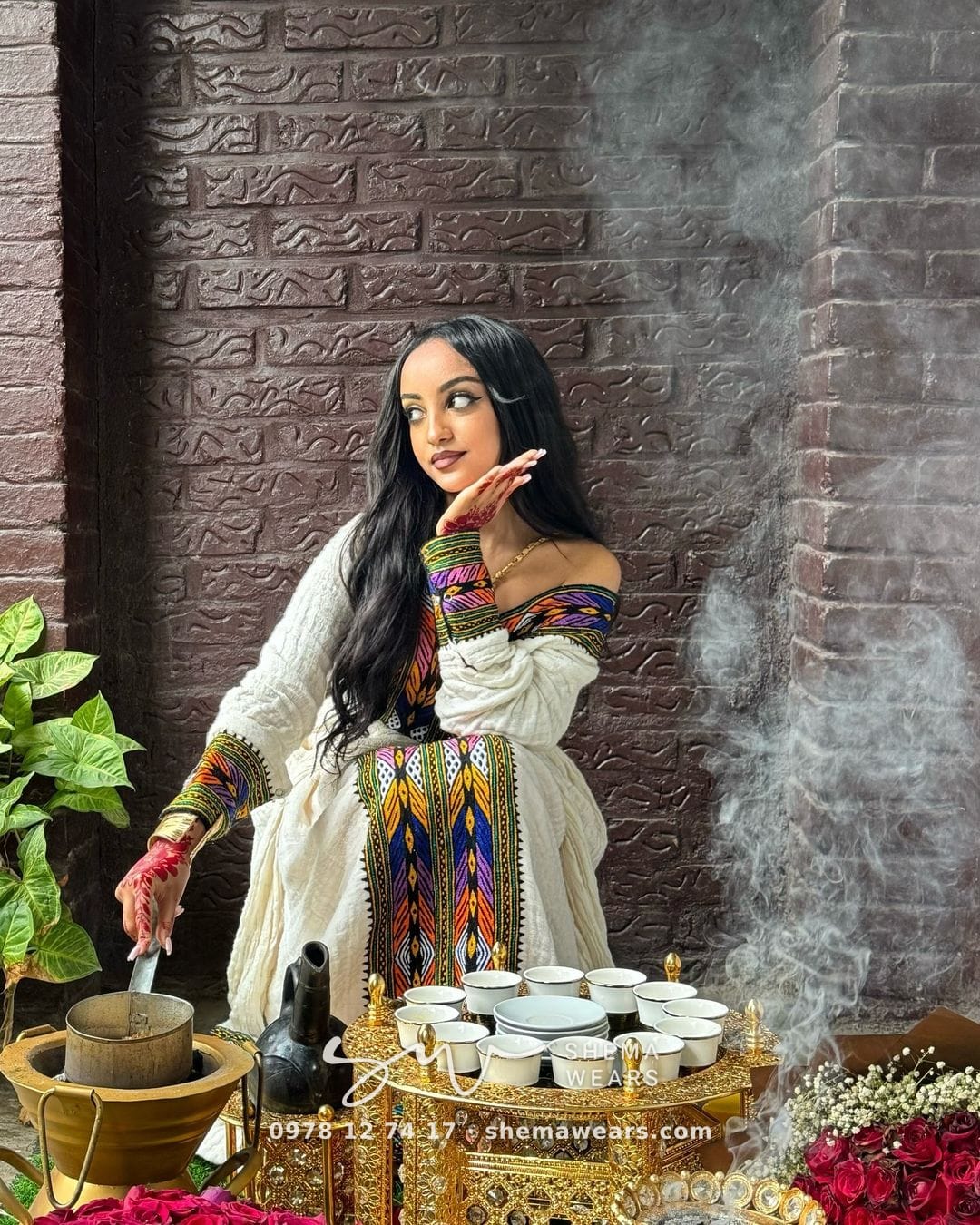
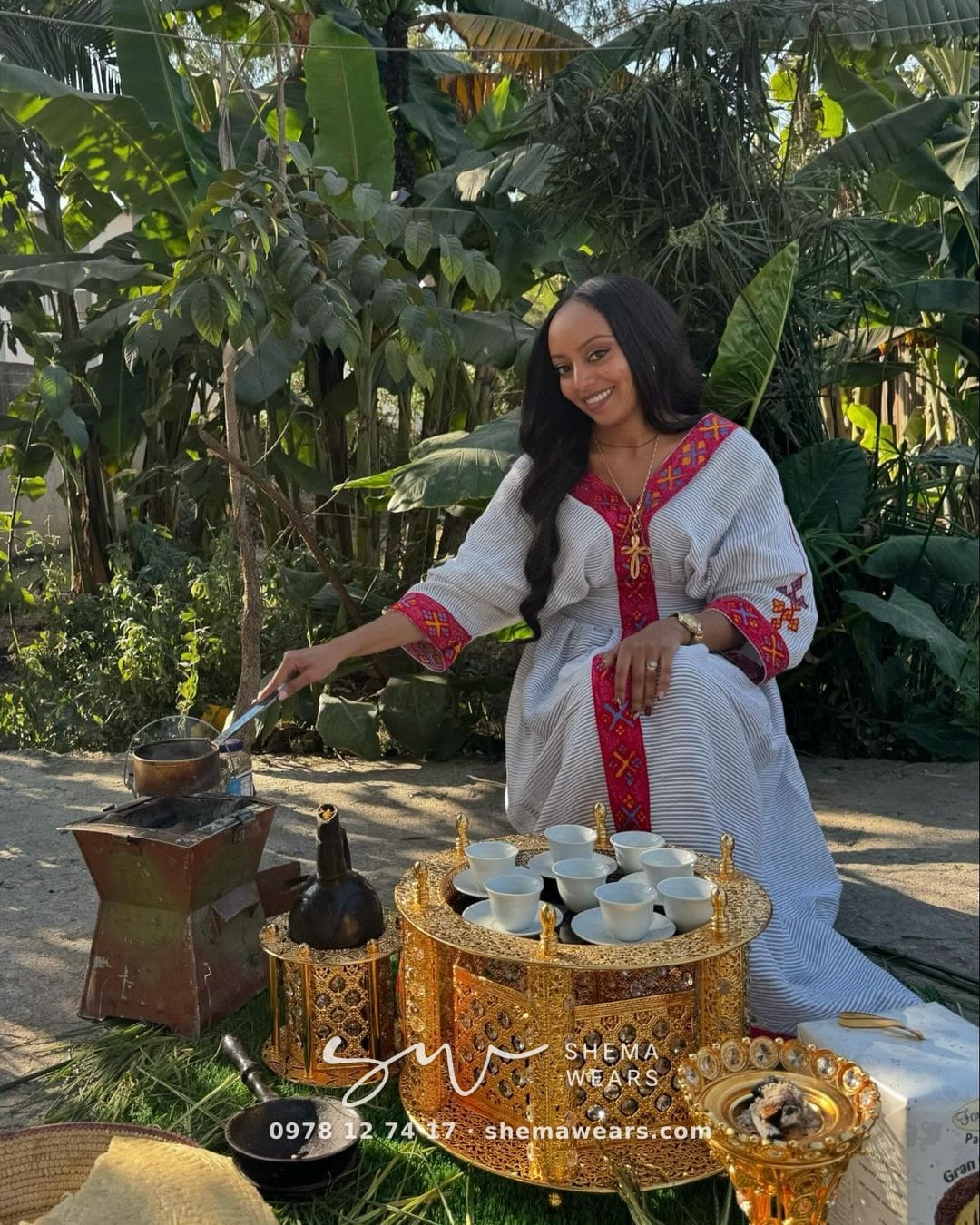
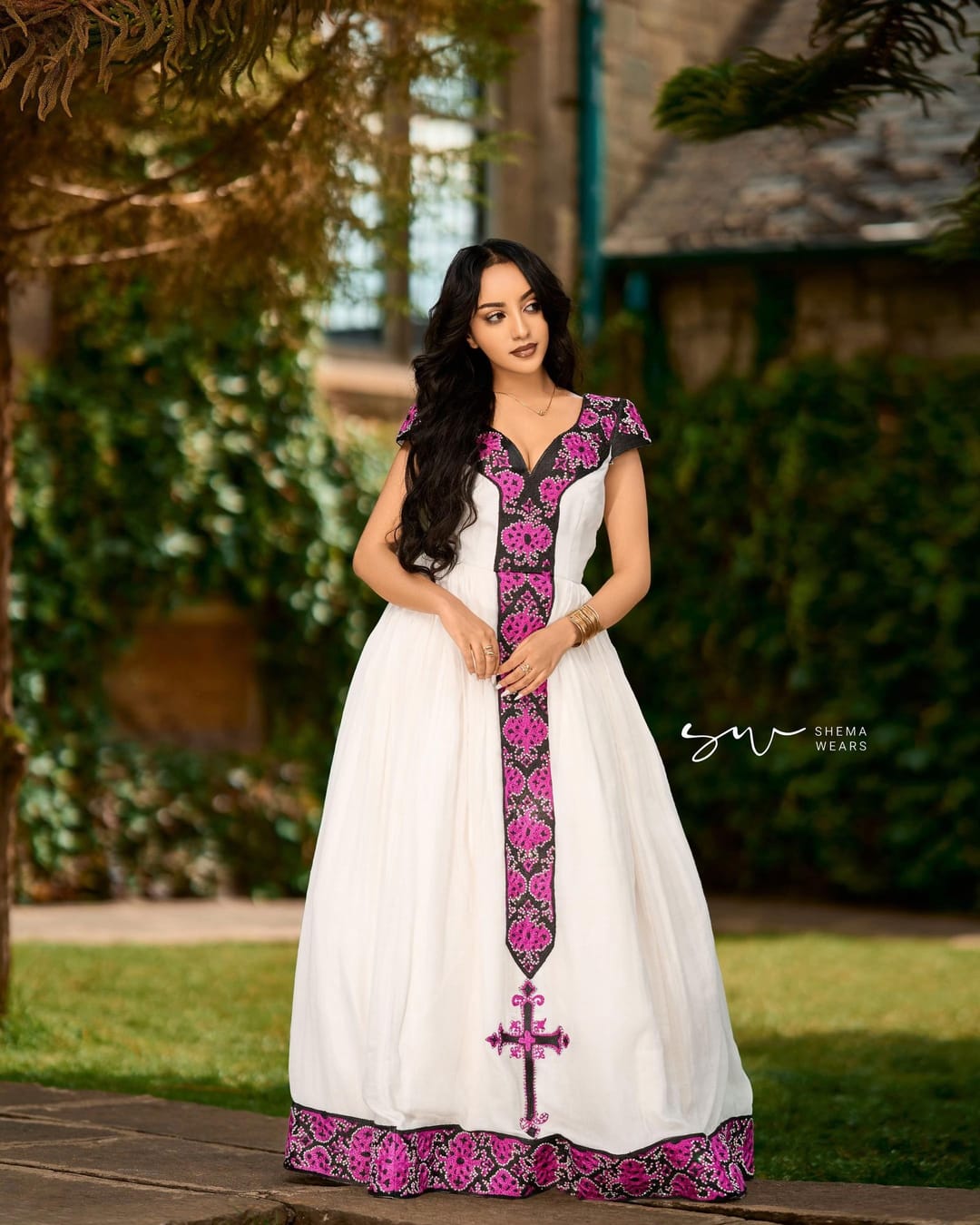
The classic outfit for the church holidays (Genna, Timket, Fasika and Meskel) is a white or off-white habesha kemis with tibeb, worn with a netela over the shoulders or head. Enkutatash brings in the yellows and greens of the season, and at Ashenda bright colour is the whole point. New to the words? Our habesha kemis guide explains tibeb and the netela.
The holidays at a glance
Here are the next dates for each holiday, in the order they come round.
| Holiday | Next date | Traditionally worn |
|---|---|---|
| Genna (Christmas) | Thu 7 Jan 2027 (Tahsas 29) | White kemis and netela for the night service |
| Timket (Epiphany) | Tue 19 Jan 2027 (Tir 11) | White kemis and netela |
| Fasika (Easter) | Sun 2 May 2027 (moves every year) | White kemis and netela for the vigil |
| Ashenda | From about 22 Aug 2027 (Nehase 16) | Embroidered white dresses, braids, ashenda grass |
| Enkutatash (New Year) | Sun 12 Sep 2027 (Meskerem 1) | New clothes, adey abeba flowers |
| Meskel | Tue 28 Sep 2027 (Meskerem 17) | White kemis and netela, a warm layer for the bonfire |
All of these holidays except Fasika fall on a fixed day of the Ethiopian calendar. We converted each one to the Gregorian calendar and checked the public holidays against timeanddate.com’s list of Ethiopian holidays for 2027. Enkutatash and Meskel are one day later than usual in 2027 (12 and 28 September rather than 11 and 27) because 2028 is a leap year, and in 2028 Timket falls on 20 January. Fasika follows the Orthodox Easter date, so it changes every year. Ashenda is not a public holiday, and its exact days differ from town to town.
Genna: what to wear for Ethiopian Christmas
Genna falls on 7 January. For Orthodox Christians it ends the 43-day Fast of the Prophets (Tsome Nebiyat), and it begins the night before: on Christmas Eve families go to church for a service that lasts through the night, then come home to break the fast together. Lalibela, where pilgrims gather at the rock-hewn churches, is the best-known place to spend it. The holiday shares its name with genna, a game played with sticks and a wooden ball.
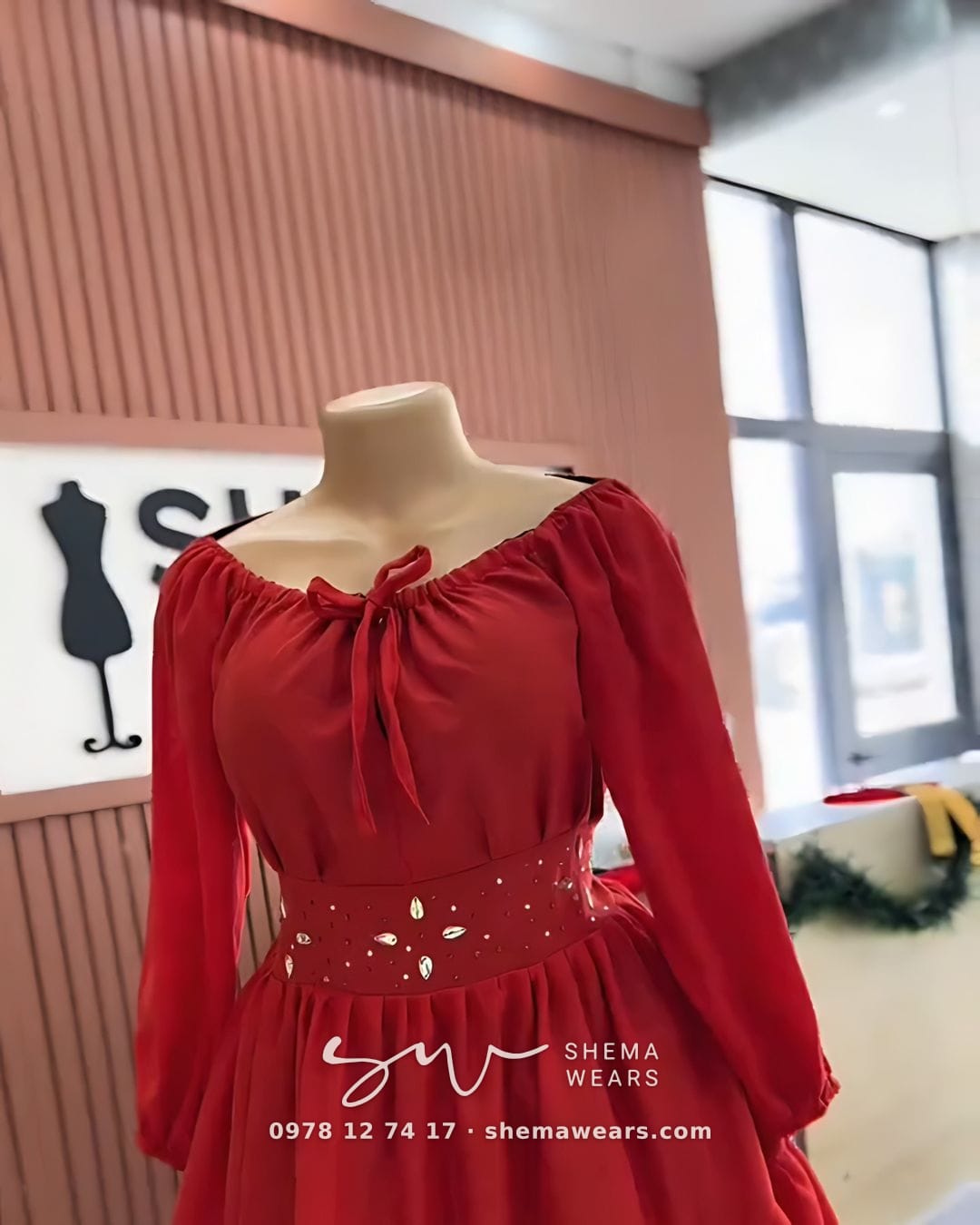
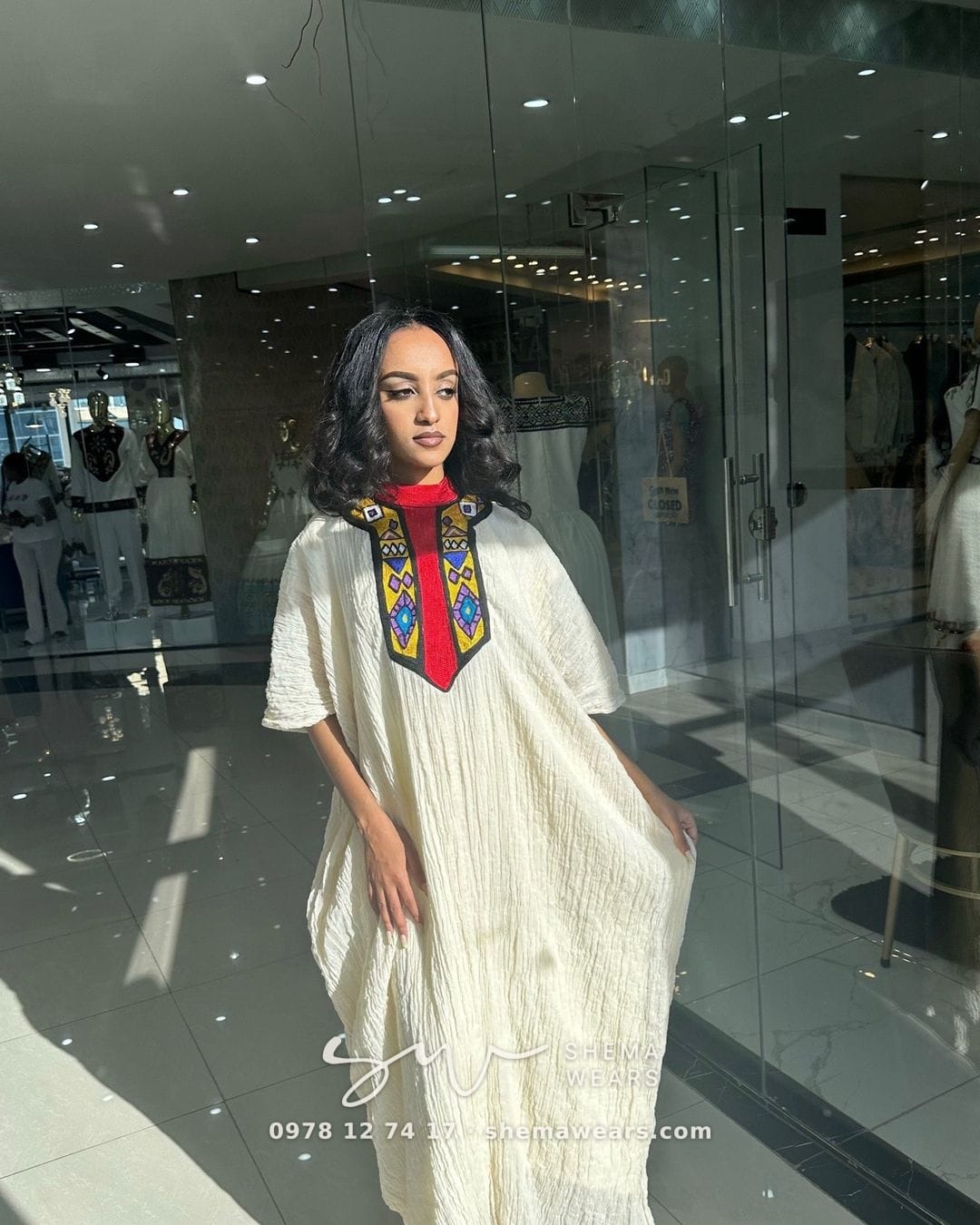
What to wear: for church, a white kemis with a netela is the classic, and the overnight service is a sea of white. Take a warm layer, because highland nights in January are chilly and church grounds fill up, so many people stand outside. For the meal and the visits the next day, red and gold feel right. Our Red Christmas Dress is made for exactly this, and the Tibeb Kaftan Dress, our customers’ favourite Christmas look, is comfortable through a long day at the table.
Timket: what to wear for Ethiopian Epiphany
Timket celebrates the baptism of Jesus in the Jordan. It begins on the eve, Ketera (18 January), when each church’s tabot (its replica of the Ark of the Covenant) is wrapped in rich cloth and carried in procession to a river, pool or field, under priests’ bright umbrellas. People keep vigil through the night. At dawn the water is blessed and sprinkled over the crowd, and the tabots are escorted home with singing and dancing. In Addis Ababa the biggest gathering is at Jan Meda; in Gondar it is at Fasilides’ Bath. UNESCO lists Ethiopian Epiphany as intangible cultural heritage.
What to wear: Timket is the most outdoor of the holidays, with a long walk, often a night at the water and then a day in the sun. A white kemis with a netela is traditional. Long sleeves and the netela protect you from the sun as well as covering you for church. Choose a cut you can walk and dance in, wear flat shoes, and expect to be splashed when the water is blessed. Our Multicolour Tibeb Long-Sleeve Habesha Kemis was made for Timket, Meskel and every holiday.
Fasika: what to wear for Ethiopian Easter
For many Orthodox Christians, Fasika is the most important feast of the year. It ends Abiy Tsom, the Great Lent: 55 days without meat or animal products. Holy Week runs from Hosanna (Palm Sunday) to Siklet (Good Friday, 30 April in 2027). On Saturday night families go to church for the Easter vigil. The service ends in the early hours, people break the fast at home, and Easter Sunday is for feasting and visiting.
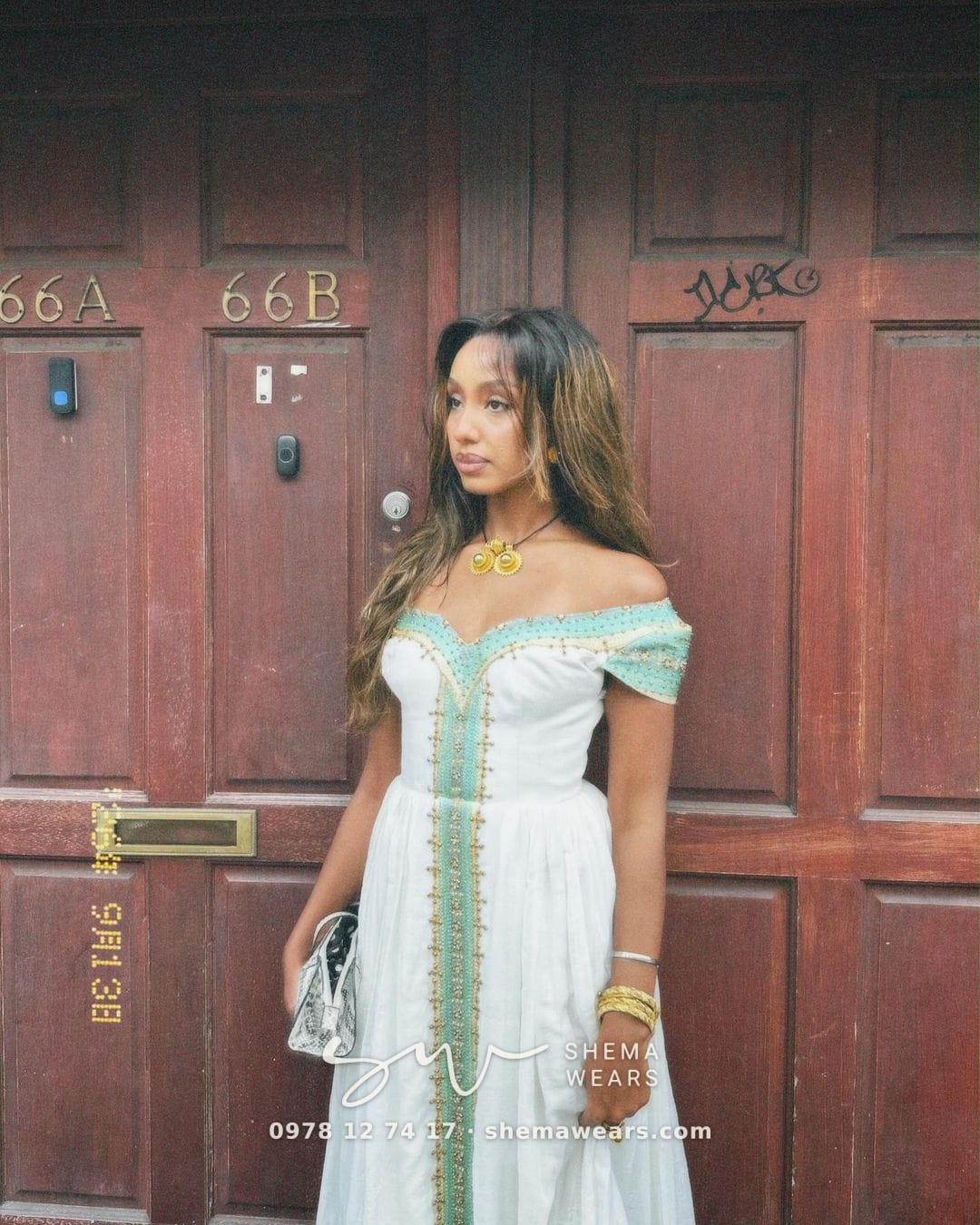
What to wear: if you can, plan two looks. Wear a white kemis and netela for the vigil, then something lighter and prettier for Sunday’s visits and photos: soft colours such as lavender, blush or sage, or a modest dress with embroidered crosses. Our Mint Tibeb Off-Shoulder Habesha Kemis, in the Enkutatash section below, also works well for Fasika.

Ashenda: what to wear for the girls’ festival
Ashenda belongs to girls and young women. It is celebrated in Tigray, and in other parts of northern Ethiopia under other names, including Ashendye, Shadey and Solel. It marks the end of Filseta, the August fast in honour of the Virgin Mary. From about Nehase 16 (22 August), groups of girls go from house to house singing and drumming, and gather to dance in streets, squares and stadiums. The celebration lasts for several days, and the exact days differ from town to town.
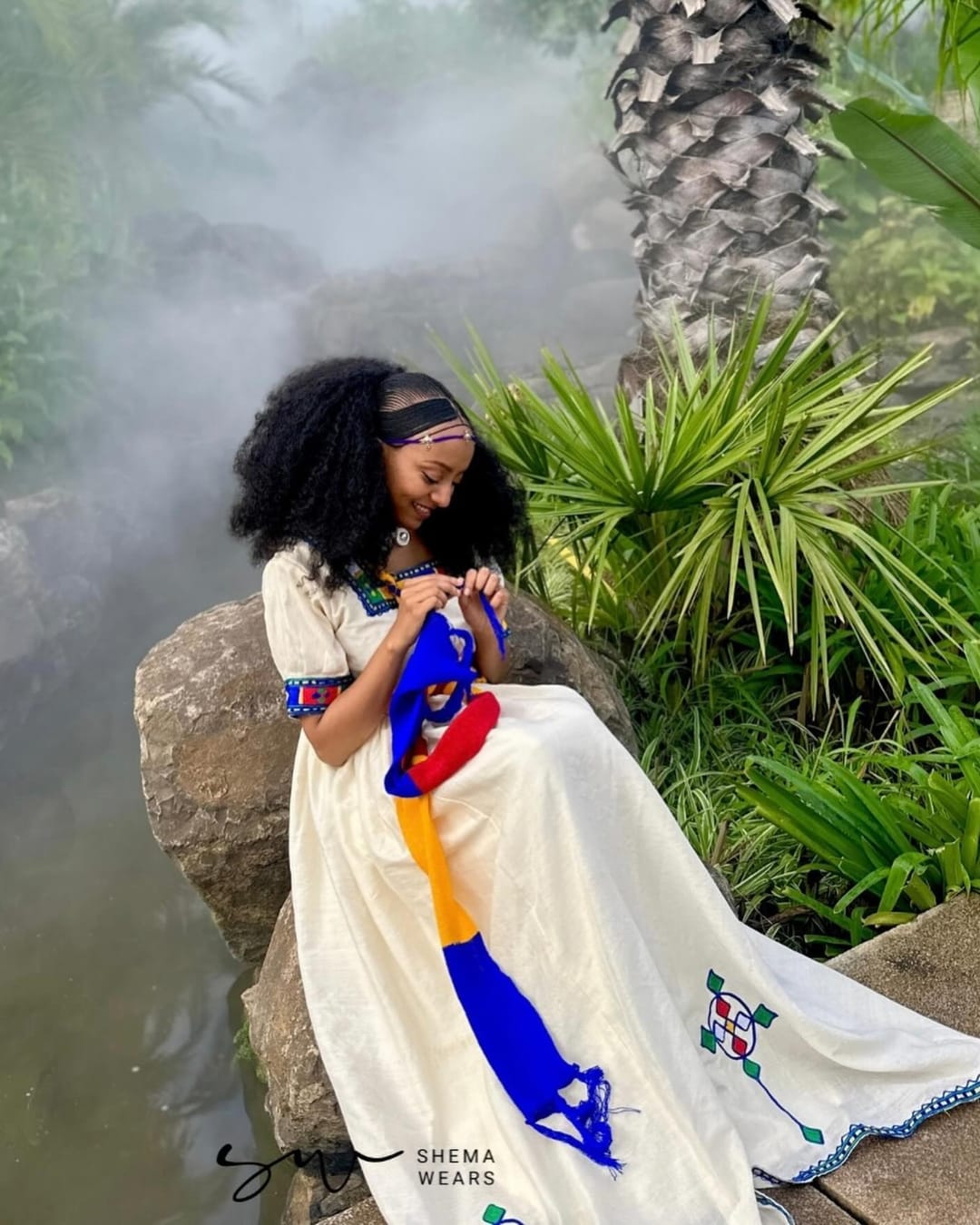
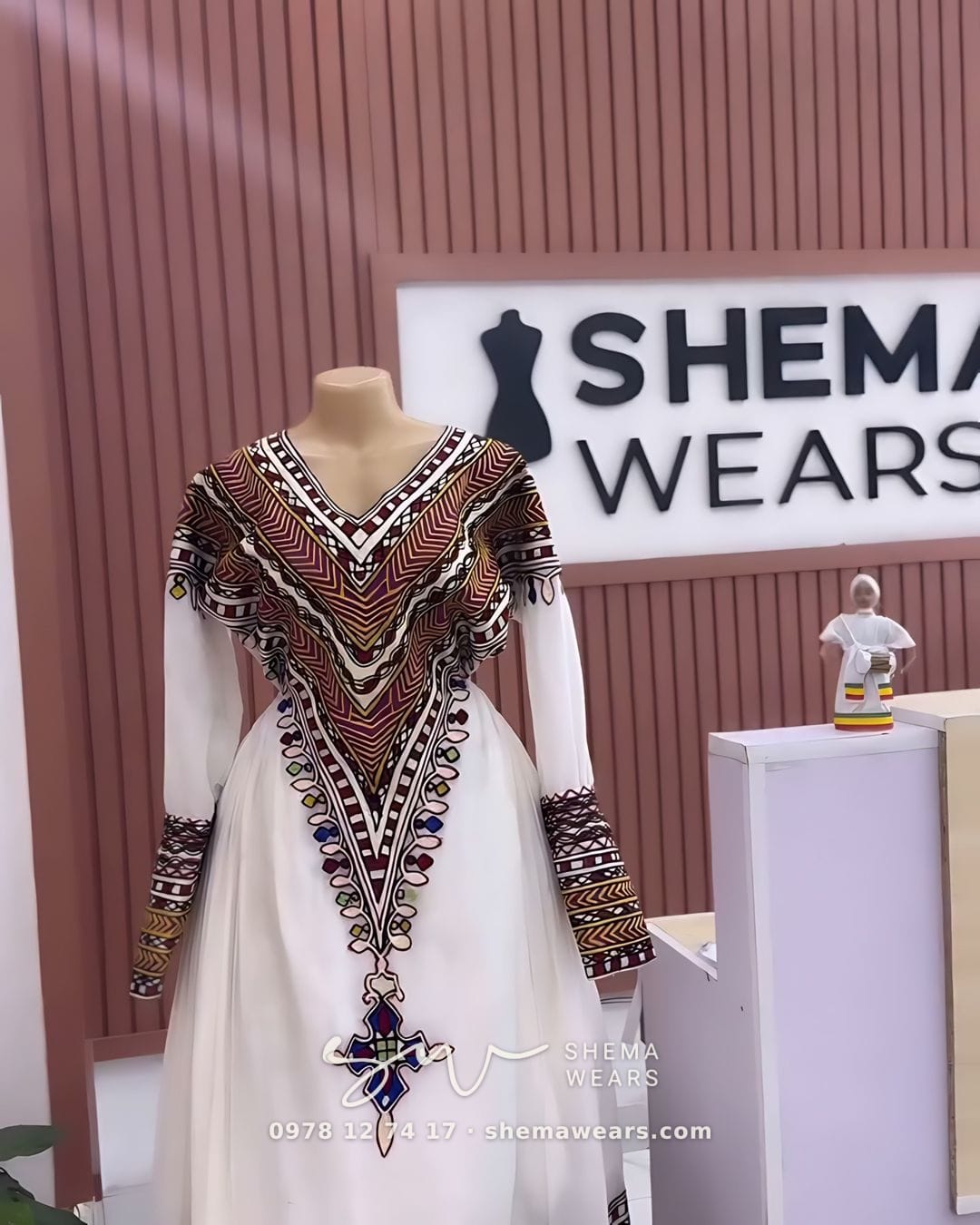
What is traditionally worn: a white cotton dress with colourful embroidery around the neckline (often called a tilf kemis in Tigray), hair braided in traditional styles, jewellery and bunches of the tall ashenda grass, worn at the back so they sway as the girls dance. Colour is the point. This is the holiday where ribbons, prints and flowing chiffon are as welcome as tibeb. Our Ashenda Ribbon Habesha Dress has bright ribbon sashes and small embroidered crosses, and the Axum Tilf Habesha Kemis carries tilf, the embroidery tradition of the north.

Enkutatash: what to wear for Ethiopian New Year
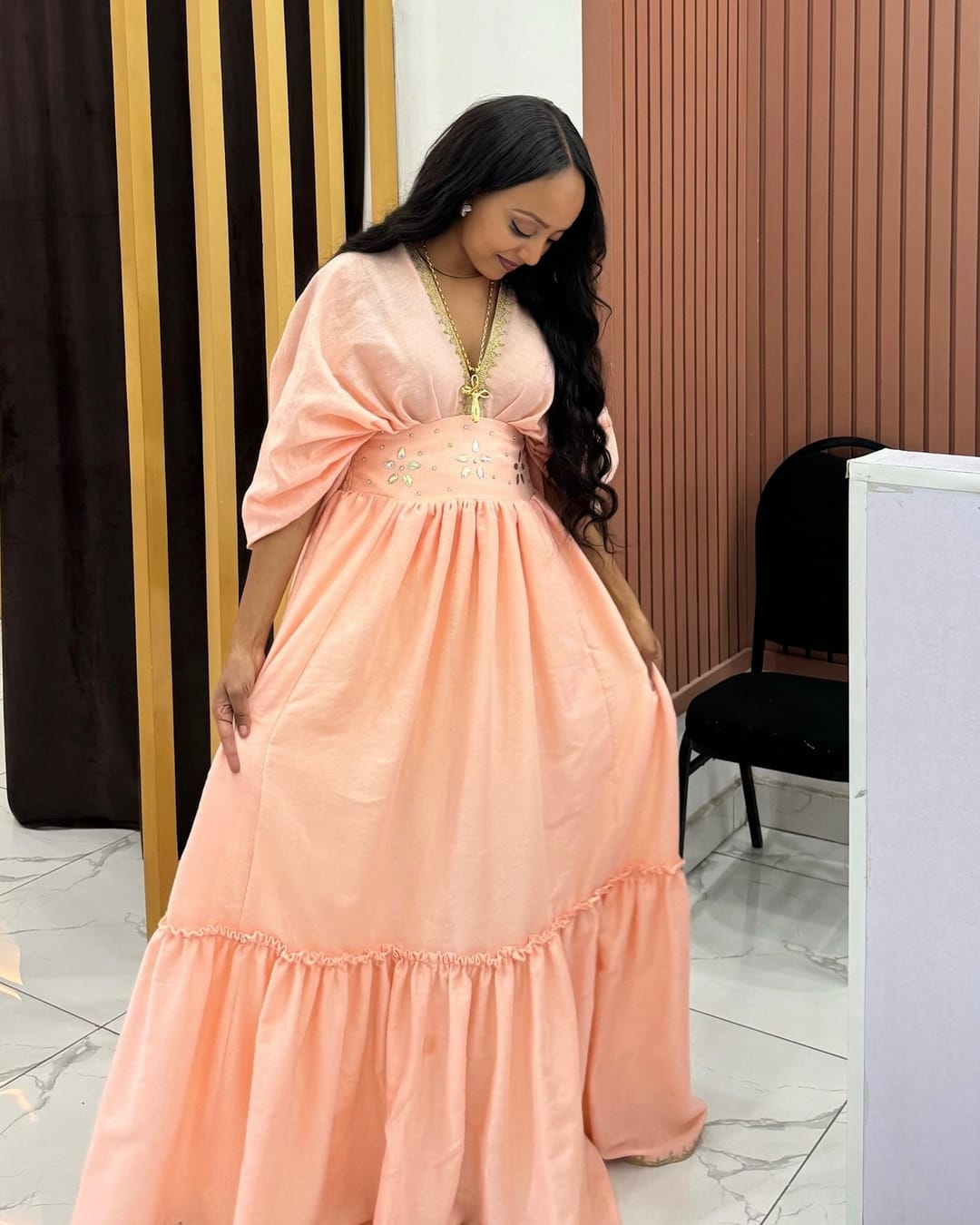
Enkutatash falls on Meskerem 1. That is usually 11 September, but in 2027 it is 12 September, when the Ethiopian calendar turns to the year 2020. It arrives as the long rainy season ends and the fields turn yellow with adey abeba, the daisy of the season. Girls go from door to door singing Abebayehosh and handing out bunches of flowers. Families go to church, share a meal and, traditionally, put on new clothes.
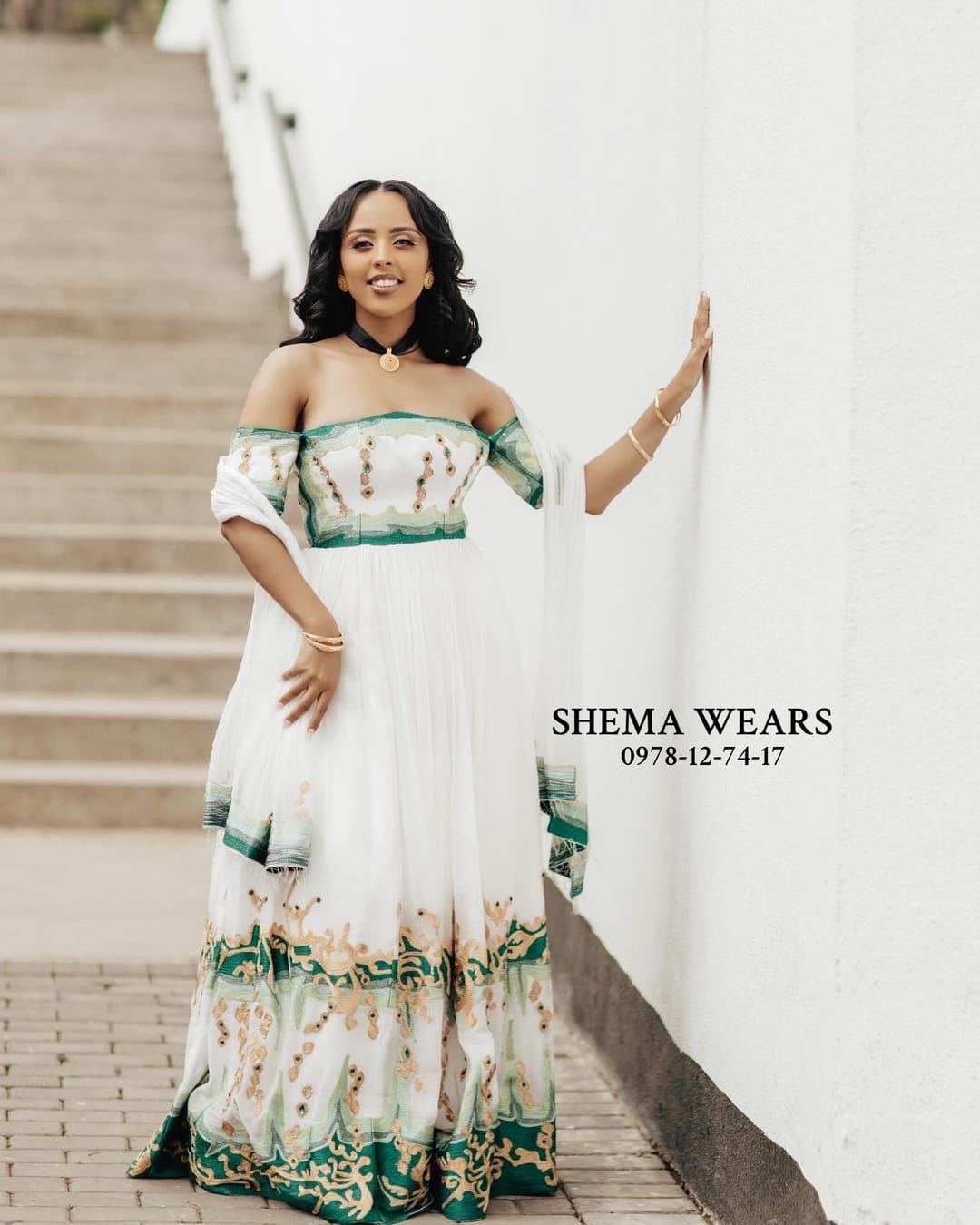
What to wear: yellow, green and gold match the season. A white kemis with tibeb in those colours is a lovely choice, or something lighter and more playful for an afternoon of visiting. If you were waiting for a reason to have a new piece made, the New Year is the traditional one. Our Mint Tibeb Off-Shoulder Habesha Kemis is lovely for Enkutatash as well as Fasika.
Meskel: what to wear for the Demera
Meskel falls on Meskerem 17: usually 27 September, and 28 September in 2027. It commemorates the finding of the True Cross, traditionally credited to Queen Eleni (Saint Helena). On the eve (27 September in 2027), crowds gather around the Demera, a tall pyramid of poles decorated with adey abeba. In Addis Ababa the biggest one stands in Meskel Square. It is lit when darkness falls, and afterwards people mark their foreheads with a cross in charcoal from the fire. Meskel is also on UNESCO’s list of intangible cultural heritage.
What to wear: the Demera means an evening outdoors at the end of the rainy season, so dress warmly and choose rich colour: a white kemis with a netela for the church service, then multicolour tibeb, cross motifs and deep colours for the bonfire. Keep loose chiffon and netela ends well away from the flames. The Multicolour Tibeb Long-Sleeve Habesha Kemis in the Timket section was made for Meskel too.

Matching the family for the holidays
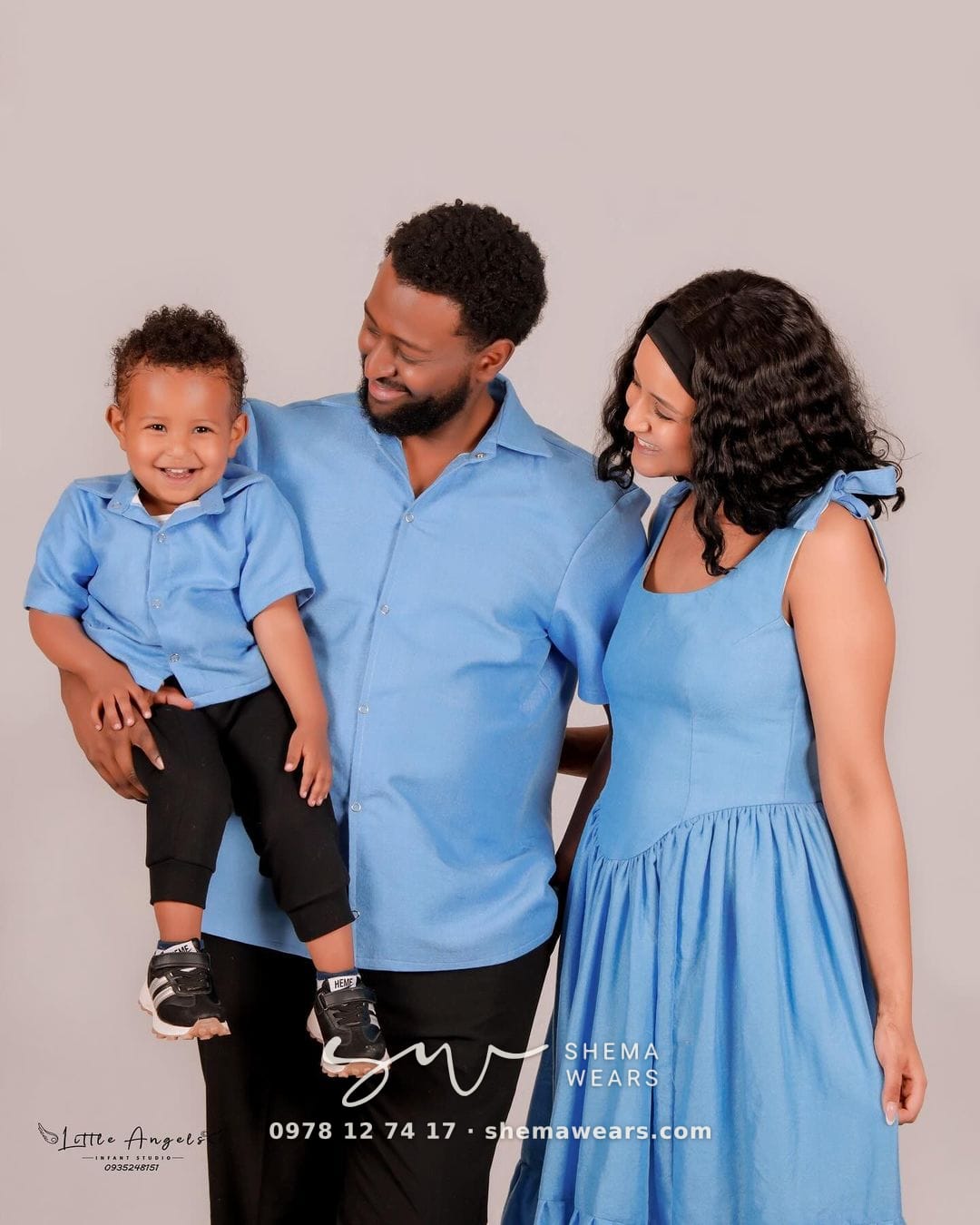
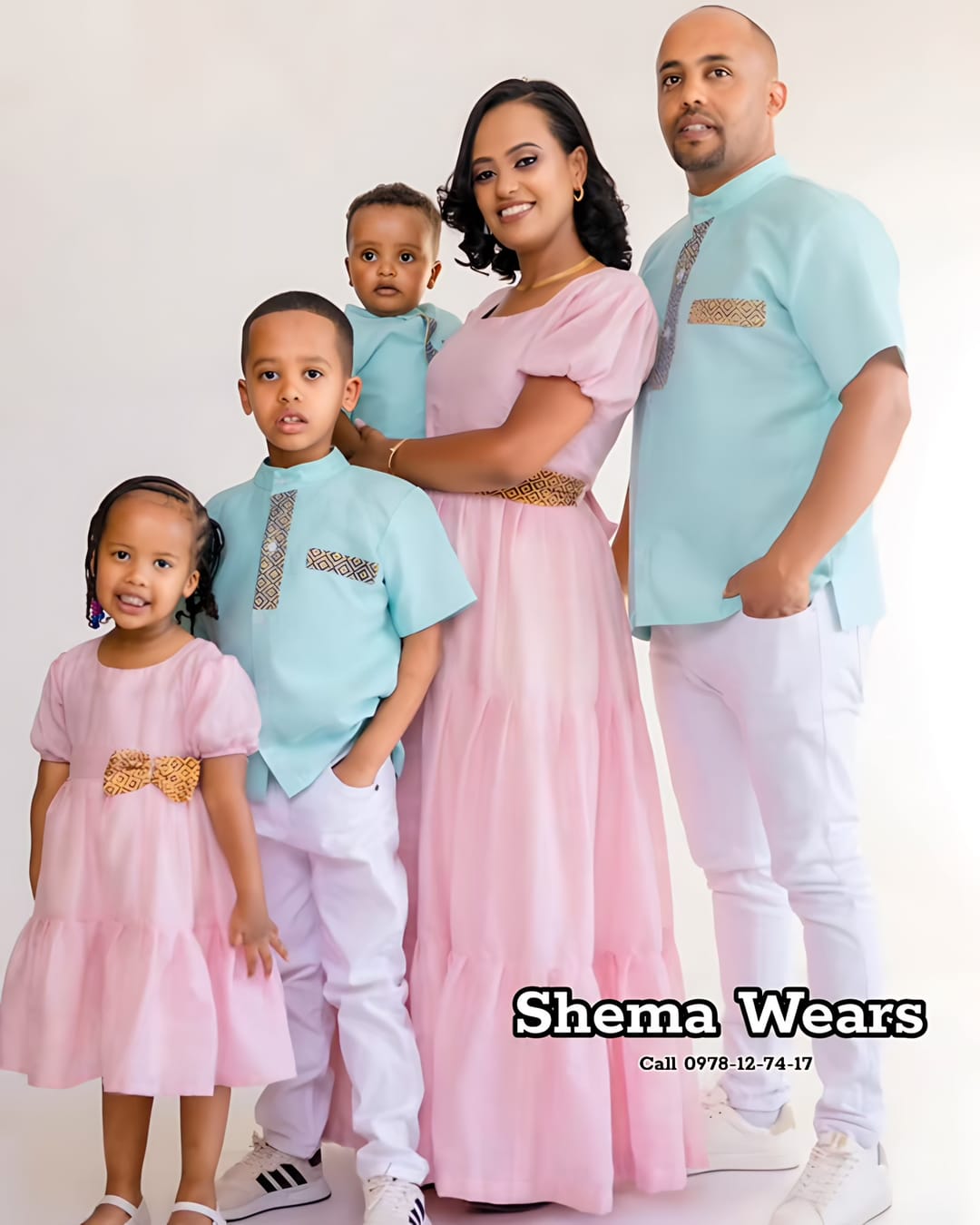
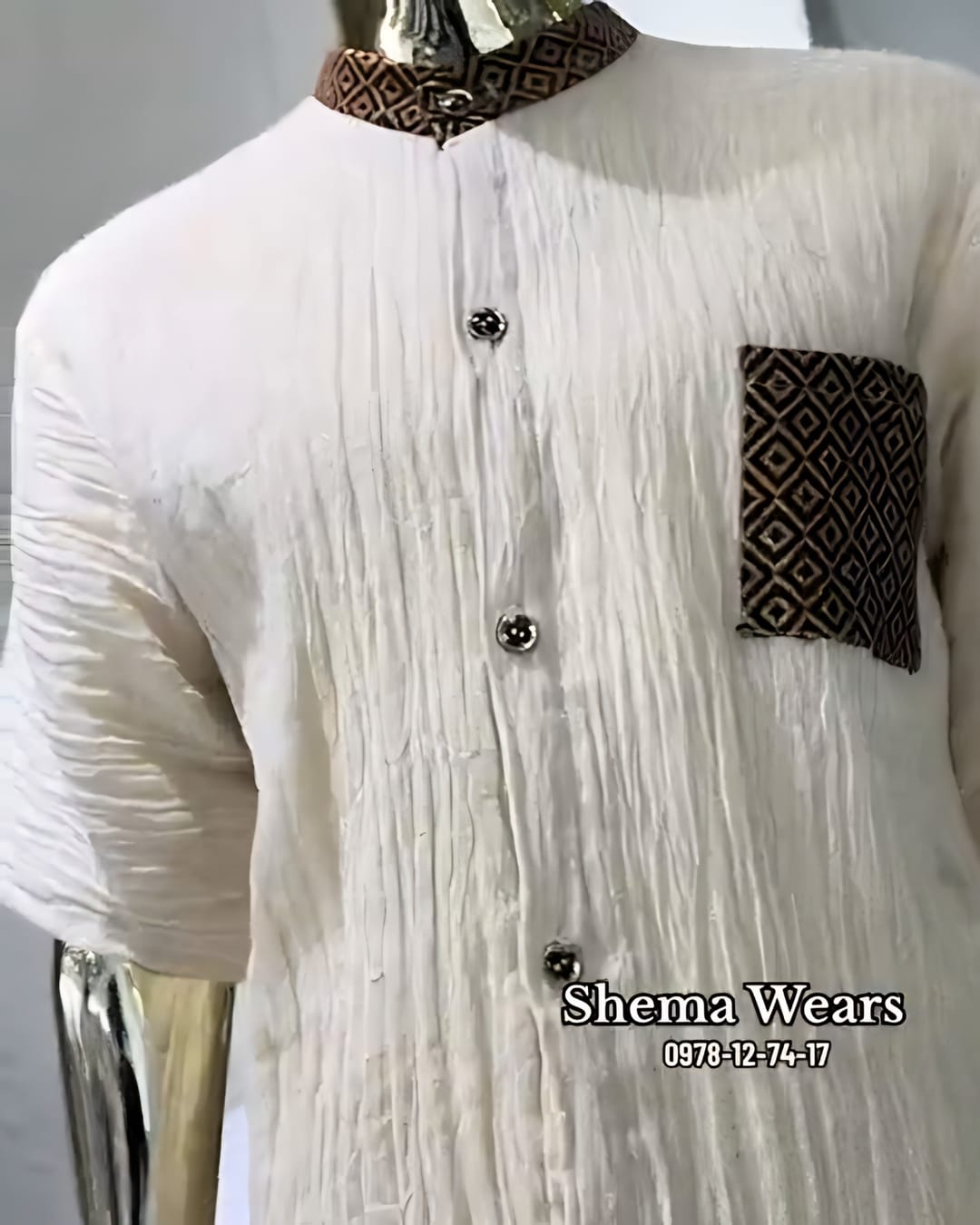
Holidays are when the whole family gets photographed together, so many families coordinate. We make family matching sets: her dress, his shirt and the kids’ pieces in one colour, each made to that person’s measurements. Our Sage Green Family Matching Set is a good fit for Genna and Fasika. You can also start from a men’s shirt with tibeb or a kids’ dress and match the rest of the family to it. The size guide explains how to measure men and children.

Order early: how to get your holiday outfit in time
- Tell us your holiday date when you order. How long a piece takes depends on the design and how busy the studio is. We confirm whether we can have it ready in time before you pay.
- Order as early as you can. Genna and Timket are only twelve days apart, and Enkutatash and Meskel sixteen, so if you want an outfit for both, order them together.
- Get your measurements right. Almost every piece is made to your measurements (standard sizes too). Measure at home with our size guide, or book a fitting at our studio in Haya Hulet, Addis Ababa.
- Allow time for delivery. We deliver in Addis Ababa, across Ethiopia by EMS and worldwide by DHL. If you live abroad, our guide to ordering a habesha kemis from abroad explains how it works.
- Ask us anything. Prices are on request. Payment by Telebirr, CBE Birr, bank transfer or cash is arranged once we confirm your order. Message us on WhatsApp or Instagram, or call +251 978 12 74 17.
Find your holiday outfit
Handmade in our Addis Ababa studio, in a standard size or to your measurements. Tell us which holiday you are dressing for and we will help you choose.
Shop habesha kemis